
"90s China"
21820 article(s) found

Vietnam is the largest importer of coffee from China.
Vietnam and Malaysia have been the main sources of coffee imported from China since 2002, the Viet Cong Electronic News reported on September 25. Vietnamese coffee accounts for 90% of China's total coffee imports from ASEAN countries. According to Vietnamese customs statistics, China imported 137000 tons of coffee between 2007 and 2011. Of this total, 103900 tons were imported from Vietnam, with the import value reaching 195 million US dollars, accounting for China's total.

Foreign media commented on the rapid growth of this coffee shop chain in China.
From Best Buy to BQ, many foreign brands and business models have met their Waterloo in China. However, the Western retail concept of foreign coffee shops, which was perhaps the least likely to succeed, has flourished in China. Despite thousands of years of tea drinking in China, coffee chains from the United States, Britain and South Korea have been able to expand rapidly in China. This coffee.

What is the coffee bean import process?| How to import coffee beans to China?
Professional coffee knowledge exchange More coffee bean information Please pay attention to coffee workshop (Weixin Official Accounts cafe_style) coffee bean import customs declaration procedures 1. consignee and consignor record number; 2. original label and corresponding Chinese translation; 3. import and export management right; 4. food circulation license; 5. certificate of origin; 6. health certificate/free sales certificate of producing country; 7. manufacturer

After buying out the shares in southern China, COSTA also wants to operate wholly in China after Starbucks
Professional baristas Please follow the Coffee Workshop (Wechat official account cafe_style) competitor Starbucks has become fully owned in China, costa has also begun to seek full investment in order to achieve more flexible development in the Chinese market. On October 10, COSTA parent company UK Whitbread Group announced that COSTA acquired Jiangsu Yueda Group (hereinafter referred to as Yueda Group) for RMB 310 million.
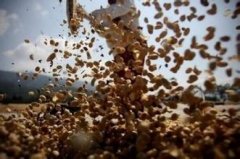
Coffee training and Marketing articles five reasons for Starbucks' success in China
Five reasons lead to Starbucks' success in China. If there is any company that should have failed in China, it is Starbucks. China has thousands of years of tea drinking history and strong tea culture. No one ever thought that Chinese people would drink coffee instead of tea. However, since landing in China 20 years ago, Starbucks has successfully opened more than 570 stores throughout

SCAC China Special Coffee Association Coffee Fine Coffee Organization
China Special Coffee Association SPECIALTY COFFEE ASSOCIATION OF CHINA China Special Coffee Association aims to promote coffee culture, spread the world coffee culture widely in China, organically combine the coffee culture with a long history and China's food culture for thousands of years, and bring China in line with the world in the field of coffee. The association pays attention to talents in the coffee industry.
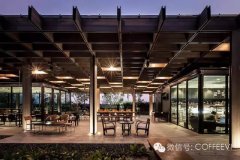
Multi-coffee brands compete for the Chinese market, Starbucks faces challenges
Starbucks (Starbucks) is the name of an American coffee chain, founded in 1971, is the world's largest coffee chain, its headquarters is located in Seattle, Washington, USA. Starbucks' retail products include more than 30 of the world's top coffee beans, hand-made espresso and a variety of hot and cold coffee drinks, fresh and delicious pastries, and a variety of coffee.

Multi-coffee brands face challenges in the Chinese market Starbucks faces challenges
According to Starbucks' 2015 results, revenue in 2015 was nearly $19.2 billion and net profit was $2.759 billion. Revenue in the Asia-Pacific region, including China, rose from $1.13 billion to $2.396 billion and accounted for 12.5 per cent of Starbucks' total revenue from 6.9 per cent. In addition to the United States, including the Asia-Pacific region has become Starbucks' second largest market, while in 2013, China

Why can Starbucks succeed in China?
Five reasons lead to Starbucks' success in China. If there is any company that should have failed in China, it is Starbucks. China has thousands of years of tea drinking history and strong tea culture. No one ever thought that Chinese people would drink coffee instead of tea. However, since landing in China 20 years ago, Starbucks has successfully opened more than 570 stores throughout

Coffee magnate expands four coffee shops in a building in Shenzhen Century of Excellence Center
Yesterday, Li Xianglu, director of Aix Coffee China, revealed that the company has accelerated its expansion this year, with only four stores in Shenzhen at the end of 2011, while six new stores have been opened in Shenzhen so far this year, aiming to open three to four new stores in the fourth quarter. The expansion of Aix Coffee is by no means an exception. Since the beginning of this year, Starbucks, COSTA and other well-known international coffee chains

5 reasons Starbucks is successful in China
Five reasons Starbucks is successful in China. If any company should have failed in China, it was Starbucks. China has thousands of years of tea drinking history and a strong tea culture. No one ever thought that Chinese people would drink coffee instead of tea. Yet Starbucks has managed to open more than 570 stores since it landed in China 20 years ago,

There is a high demand for coffee professionals in China.
At present, China's coffee planting area is about 2000 hectares, with an annual output of more than 20, 000 tons. With the acceleration of the process of internationalization in China, the annual consumption of coffee, as an indispensable international fashion drink, has shown an upward trend of 20%. Household coffee consumption in China is growing at an annual rate of 40%. At the same time, annual retail coffee sales grew by more than 25% and continued to be strong.
Chinese people drink coffee China Coffee Network Coffee introduced into China Coffee Trading Network
Coffee was introduced into China from the perspective of language, the Kangxi Dictionary has neither the word caf é, nor the word coffee, let alone the word coffee, which shows that the Chinese people in the early Qing Dynasty were not exposed to coffee. Whether there is any coffee (beverage) in China in the middle of the Qing Dynasty is still under search. The author carefully examines several characters from the middle to the end of the Qing Dynasty in the Integration of colloquial dictionaries of the Ming and Qing dynasties published by Shanghai Ancient Books Publishing House in 1989.

Foreign coffee chains are growing rapidly in China and are becoming diversified.
According to the Financial Times, many foreign brands and business models have met their Waterloo in China, from Best Buy to BQ. However, the Western retail concept of foreign coffee shops, which was perhaps the least likely to succeed, has flourished in China. Although China has a history of drinking tea for thousands of years, coffee chains from the United States, Britain and South Korea
Nestle wants to set up Coffee Center in China
China's coffee market has great room for development. In recent years, both the coffee consumer population and the consumer market in China have shown a trend of rapid growth, with its annual per capita consumption increasing at a rate of 30%, far exceeding the annual growth rate of world coffee consumption. It is estimated that by 2020, China will become a major coffee consumer in the world equivalent to Japan. Therefore, for the major coffee brands to enter the Chinese market hugely

Starbucks expands strongly in the Chinese market-its business in China may be super beautiful
Starbucks now operates 2100 stores in more than 100 cities in China, with more than 300 stores in Shanghai alone. Mr. Schultz said in January that he expected China to become Starbucks' largest market, but did not give a timetable. In the fourth quarter of last year, Starbucks' revenue in China and the Asia-Pacific region more than doubled year-on-year to more than $650 million. Although Schultz expects Starbucks to be
The reasons for Starbucks' success in China due to Cafe Operation
Five reasons lead to Starbucks' success in China. If there is any company that should have failed in China, it is Starbucks. China has thousands of years of tea drinking history and strong tea culture. No one ever thought that Chinese people would drink coffee instead of tea. However, since landing in China 20 years ago, Starbucks has successfully opened more than 570 stores throughout
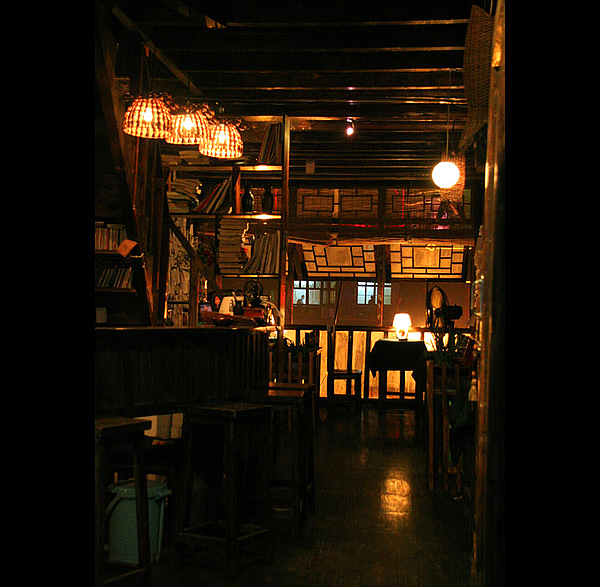
The trend of Coffee in China the Chinese coffee market is expanding at a rate of more than 30% a year.
According to the China report Hall, coffee shops have sprung up in the streets of major cities in China in the past decade, especially with the entry of Starbucks, Shangdao and other large enterprise groups, the market is showing a lively scene. We can find that the consumer group of coffee is gradually growing, the coffee culture is gradually taking shape in inland cities, and every year the domestic coffee
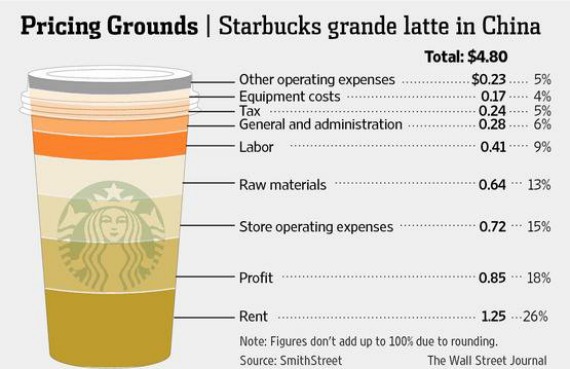
What is the price of Starbucks in China?
[Starbucks: high price because guests stay for hours] Calver, president of Starbucks China and Asia Pacific, explained that Starbucks China Cafe is much larger than the United States, because most Chinese customers like to stay in the store for a few hours, while 80% of American customers leave as soon as they get the coffee. Imagine if one day you walked into Starbucks and found a large cup.
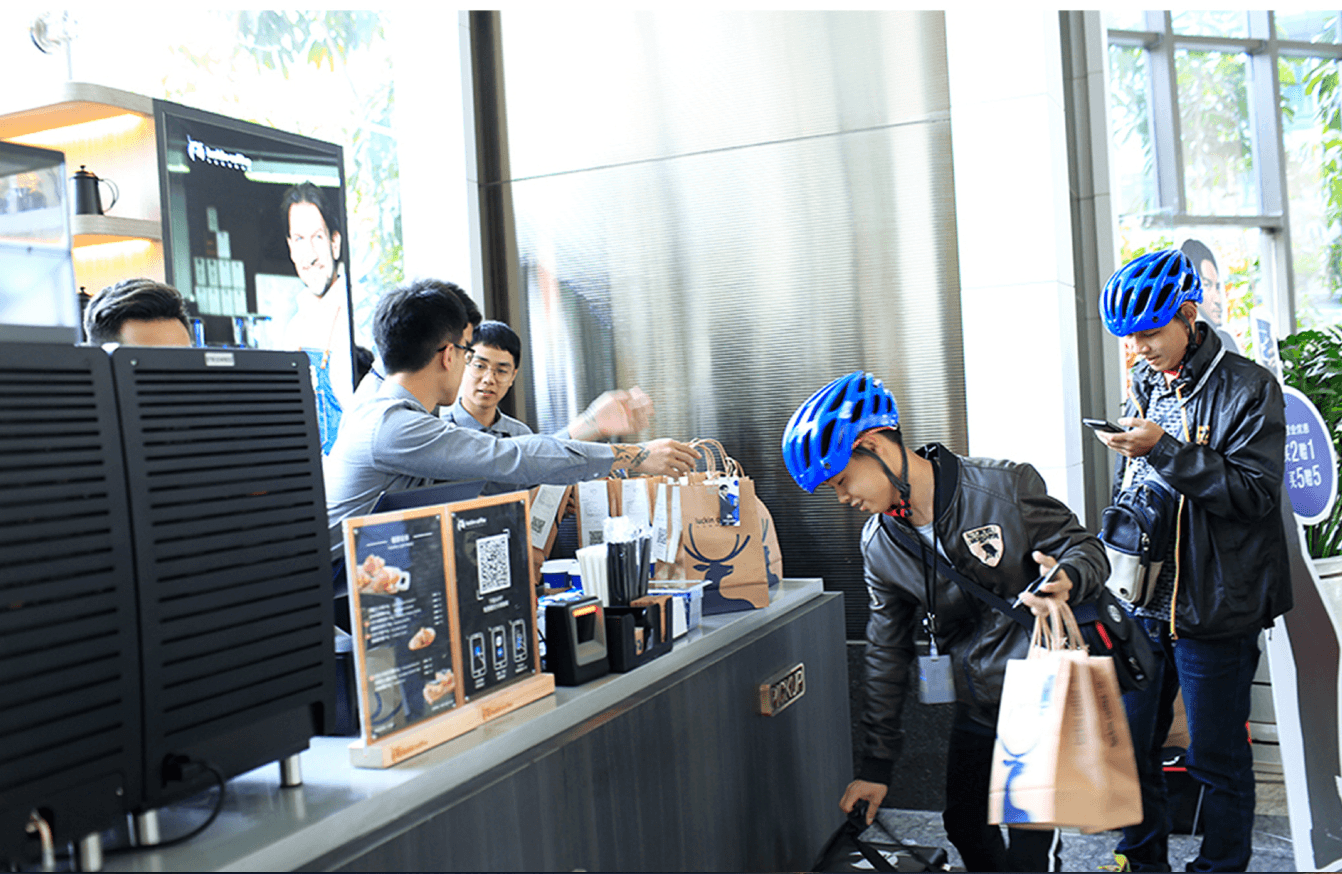
Foreign media: Luckin Coffee or Starbucks' best assists in China?
Professional coffee knowledge exchange more coffee bean information please follow coffee workshop (Wechat official account cafe_style) Luckin Coffee (Luckin Coffee) is a popular new retail coffee brand in China, the popularity of the speed may be the fastest in history, only in January 2018 began trial operation, relying on a large number of subsidies and convenient APP delivery business model, with viral media